
Last Updated: October 27, 2026
Quick Summary
Fiji cultural experiences range from a village kava ceremony to a full-day island cruise with a lovo feast and fire demonstrations. A guided cultural tour suits first-time visitors who want context, while a cruise suits those who want variety in one day.
- A guided cultural or history tour gives you context and conversation.
- A full-day island cruise offers variety, but each activity is brief.
- A full kava ceremony usually takes 30 to 60 minutes; a tasting may be over in 10.
- Ask whether a lovo is cooked on site and opened in front of guests.
- Ask your guide whether a fire demonstration is staged for visitors or is a genuine village ritual.
Table of Contents
- Fiji Cultural Experiences at a Glance
- Fiji Cultural Tours: Day Trips, Cruises and Guided Options
- Fiji Village Visit Etiquette: Protocols and Consent
- Fiji Kava Ceremony: What to Expect and How to Take Part
- Lovo Feasts, Dance, Crafts and Fire Demonstrations
- Fiji Cultural Day Trips Beyond Nadi
- Choosing an Experience That Suits Your Pace and Mobility
- Booking Your Fiji Cultural Experience with Curious Compass Collective
- Frequently Asked Questions
Fiji's cultural experiences range from a kava ceremony on a village green to a full-day island cruise with a lovo feast and fire demonstrations. Choosing between them comes down to your time, travel style, and how much culture you want to see up close.
This guide sorts the main cultural experiences in Fiji by format, pace and inclusions, plus the village etiquette that makes a visit respectful and the practical points to check before booking.
Fiji Cultural Experiences at a Glance
| Format | Typical inclusions | Best for | Watch for |
|---|---|---|---|
| Full-day island cruise | Lunch, transfers, several demonstrations | Travellers who want variety in one day | Short time with each activity |
| Guided cultural or history tour | Sightseeing, guide commentary, village stops | Those who want context and conversation | Listing pages may not show full inclusions |
| Village evening show | Dinner and performance | An evening experience with dance and food | Performance focus over dialogue |
| Resort-based cultural activities | On-site demonstrations | Guests already staying at the property | Often enquiry-based pricing |
Fiji Cultural Tours: Day Trips, Cruises and Guided Options
We recommend a guided option if you want to understand what you are watching. A cruise works well if you want a sampler and do not mind moving on quickly. You can weigh up whether guided Fiji tours are worth the cost before deciding.
Fiji Village Visit Etiquette: Protocols and Consent
Visiting a village is a privilege, not a standard tourist stop.

Watch out:
Fiji Kava Ceremony: What to Expect and How to Take Part
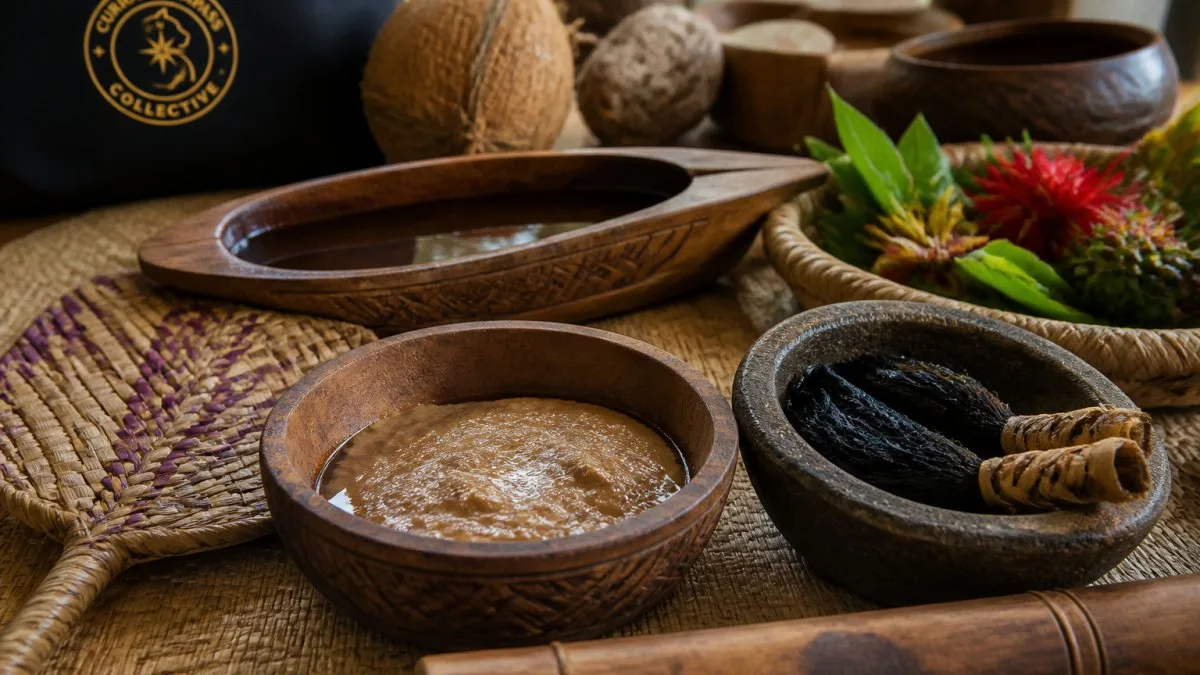
The kava ceremony is one of the most recognisable Fijian customs, and one of the most frequently misrepresented on tour listings. Kava, made from the root of the yaqona plant, is prepared and served in a set order, and the ceremony carries social and cultural meaning beyond the drink itself. Understanding that order separates a genuine experience from a staged photo opportunity.
How the ceremony unfolds
Kava tastes earthy and slightly bitter, with a numbing effect on the lips and tongue that surprises many visitors. It is not alcoholic, and the effect is mild and short-lived. The point of the ceremony is the sitting and talking that surrounds it, not the drink itself.
What the ceremony means
In many communities the kava ceremony formally welcomes visitors, marks a meeting, or settles a matter of importance. It is not a performance staged for tourists, even within a tour, you are being included in a social ritual, not shown an exhibit. Sit cross-legged or with legs tucked to the side, avoid stepping over the tanoa or pointing your feet at it, and keep conversation low and respectful while the cup is served.
Practical points before you book
- Ask your guide whether the ceremony you will attend is a genuine village welcome or a demonstration staged for visitors. Both can be worthwhile, but they are different experiences.
- Check whether the tour includes a full ceremony or a short tasting. A full ceremony usually takes 30 to 60 minutes; a tasting may be over in 10.
- If you are pregnant, taking medication, or unsure about kava, it is fine to accept the cup and hold it without drinking, or to decline politely. Ask your guide beforehand how to do this respectfully.
- Photography is often permitted during the ceremony, but ask first, and never photograph the tanoa from above or interrupt the serving order to take a picture.
Lovo Feasts, Dance, Crafts and Fire Demonstrations
Many cultural experiences bundle food, performance and craft into a single day, and quality varies enormously. Knowing how each element works, and what to ask before booking, is the difference between a meaningful afternoon and a blur of demonstrations.
Lovo feasts: how the earth oven works
Ask whether the lovo is prepared on site and opened in front of guests, or whether the food is cooked elsewhere and served. Both are common, but only the first gives you the full experience. If you have dietary requirements, raise them at booking, a lovo is not easily adapted at short notice, and some operators will prepare a separate dish if asked in advance.
Dance and music: what you are watching
Music often accompanies the dance, with lali (slit drums), derua (bamboo tubes) and singing. Some tours invite guests to join a simple dance or song at the end; taking part is usually welcomed, and declining is fine.
Crafts: pottery, carving and weaving
Ask whether the craft demonstration is led by a local artisan and whether items are made on site. If you buy, ask where the materials come from and who made the piece; a good operator will know.
Fire walking and fire-lighting
Fire walking and fire-lighting demonstrations are widely offered and among the most visually striking cultural displays in the region. On many tours they are staged for visitors, so ask your guide how the demonstration is presented and what the traditional context is. Treat these as cultural displays rather than casual entertainment, and follow instructions about where to stand and whether photography is permitted.
A responsible-tourism check
Before booking any experience with food, performance or craft, ask three questions: who leads the activity, where the money goes, and whether the community agreed to the visit. Community-led experiences are not always the cheapest or most polished, but they usually present the culture on its own terms rather than packaged for a coach group.
Fiji Cultural Day Trips Beyond Nadi
Community-led experiences can be a strong choice when you want to know where your money goes. Ask whether a tour benefits the host community directly, and whether the village has agreed to the visit.
Choosing an Experience That Suits Your Pace and Mobility
Small-group tours often suit mature travellers who want a relaxed pace. You can compare small-group Fiji tour options side by side. Ask the operator how many people are in the group, how long each stop lasts and whether there is room in the day to rest.
Booking Your Fiji Cultural Experience with Curious Compass Collective
If you want a small-group experience with a thoughtful pace, Curious Compass Collective runs guided tours across Australia and the Pacific, including a Fiji Blue Lagoon and Cultural tour. You can see our small-group Fiji offerings and deposit terms on our main page.
You can explore our Fiji Blue Lagoon and Cultural tour.
Before you commit, check exactly what your chosen experience includes, and ask us any questions about accessibility or village protocols.
Frequently Asked Questions
What is Fiji culture known for?
Fijian culture is known for its strong community structures, the chiefly system that governs villages, kava (yaqona) ceremonies, communal lovo feasts cooked in an earth oven, and traditional crafts such as wood carving, pottery and mat weaving. Music, dance and storytelling carry much of the history. Many villages still operate by customary protocols, so visitors who learn a few basics about greetings and respectful dress get far more from their visit.
What should you wear when visiting a village in Fiji?
Dress modestly before you arrive. Most villages expect covered shoulders and knees, so lightweight long pants or a knee-length skirt and a shirt with sleeves are a good choice. Avoid swimwear and very short clothing in the village. Many hosts ask visitors to wear a sulu (a wrap-around cloth) over clothing when attending a ceremony. Your tour operator can usually confirm the expected dress code in advance.
What happens during a traditional kava ceremony?
A kava ceremony begins with a formal welcome, often led by a chief or the village spokesperson. The yaqona root is pounded and mixed with water in a large wooden bowl, and the drink is served in a half coconut shell. Visitors are usually asked to clap once before drinking, say 'bula' and then drink in one go. Kava is mildly numbing rather than alcoholic in the usual sense. Ask your guide before you join in, as participation is always optional.
Are there cultural day trips in Fiji?
For current pricing and availability for our group tours, contact Curious Compass Collective directly.

Frequently asked questions
What is Fiji culture known for?
Fijian culture is known for its strong community structures, the chiefly system that governs villages, kava (yaqona) ceremonies, communal lovo feasts cooked in an earth oven, and traditional crafts such as wood carving, pottery and mat weaving. Music, dance and storytelling carry much of the history. Many villages still operate by customary protocols, so visitors who learn a few basics about greetings and respectful dress get far more from their visit.
What should you wear when visiting a village in Fiji?
Dress modestly before you arrive. Most villages expect covered shoulders and knees, so lightweight long pants or a knee-length skirt and a shirt with sleeves are a good choice. Avoid swimwear and very short clothing in the village. Many hosts ask visitors to wear a sulu (a wrap-around cloth) over clothing when attending a ceremony. Your tour operator can usually confirm the expected dress code in advance.
What happens during a traditional kava ceremony?
A kava ceremony begins with a formal welcome, often led by a chief or the village spokesperson. The yaqona root is pounded and mixed with water in a large wooden bowl, and the drink is served in a half coconut shell. Visitors are usually asked to clap once before drinking, say 'bula' and then drink in one go. Kava is mildly numbing rather than alcoholic in the usual sense. Ask your guide before you join in, as participation is always optional.
Are there cultural day trips in Fiji?
For current pricing and availability for our group tours, contact Curious Compass Collective directly.