Table of Contents
- What Indigenous Culture Tours Offer
- Indigenous-Led Tourism Operators in Queensland
- Cultural Etiquette for Visiting Remote Indigenous Communities
- Cape York Cultural Immersion Itineraries
- Heritage Sites and Traditional Storytelling
- Why Small-Group Tours Make a Difference
- Planning Your Tour: What to Know Before You Go
- Frequently Asked Questions
Last Updated: September 29, 2026
What Indigenous Culture Tours Offer
Indigenous culture tours represent far more than a standard sightseeing experience. These guided journeys provide direct access to ancient knowledge systems, living traditions, and the deep connection First Nations people maintain with their land. When you book an Indigenous culture tour, you're stepping into a space where storytelling, ecological knowledge, and cultural practice converge.
The real value lies in authenticity. A guide from a local community shares perspectives shaped by generations of ancestral history, not filtered through a tourism marketing department. You learn how traditional knowledge systems work in practice, not as historical artifacts. This is educational immersion without the rushed pace of conventional tour groups.
Small-group formats matter significantly here. Curious Compass Collective structures tours specifically for mature travellers aged 35 and above, prioritising thoughtfully paced itineraries where you spend time absorbing rather than constantly moving between stops. The difference shows immediately: conversations deepen, questions get answered properly, and you actually retain what you've learned.
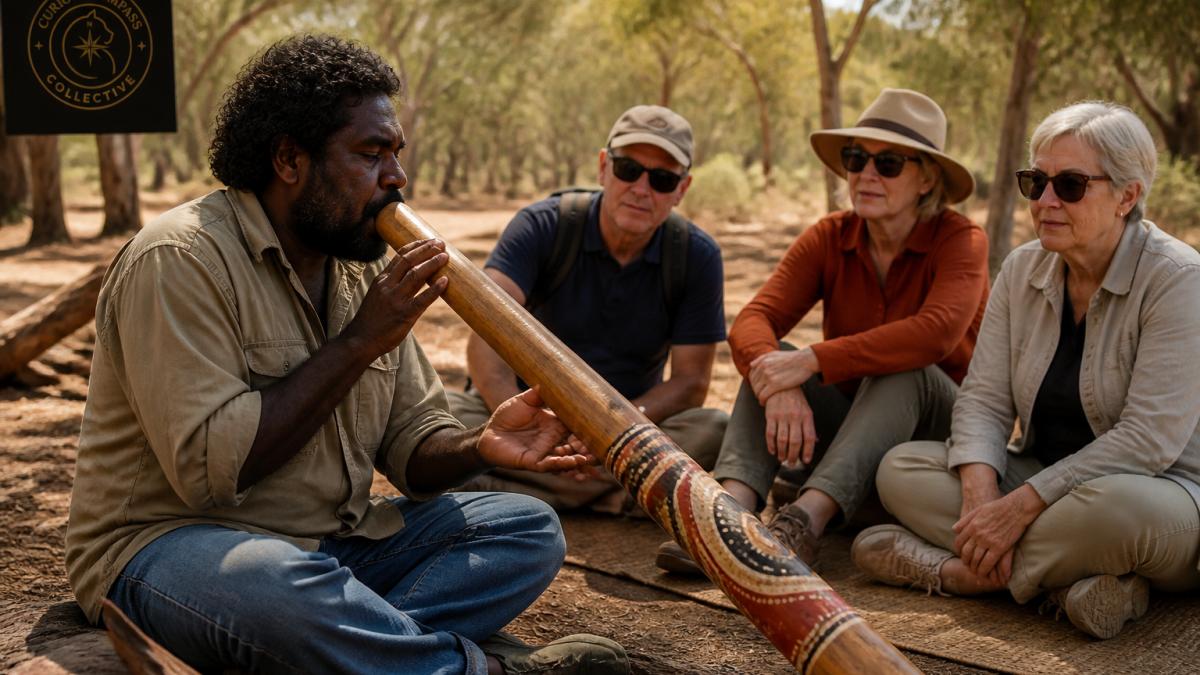
Indigenous culture tours typically combine several elements: guided expeditions through rainforest and savannah landscapes, visits to heritage sites with cultural significance, traditional storytelling sessions, and opportunities for genuine community engagement. Many include hands-on experiences like learning traditional techniques or participating in cultural practices under expert guidance. The best operators, particularly Indigenous-led businesses, structure these so you're learning with communities, not just observing them.
Indigenous-Led Tourism Operators in Queensland
The strongest Indigenous culture tours come from operators who are themselves First Nations people or who partner directly with traditional custodians. Queensland hosts several excellent options, each bringing different strengths to the experience.
Cultural Etiquette for Visiting Remote Indigenous Communities
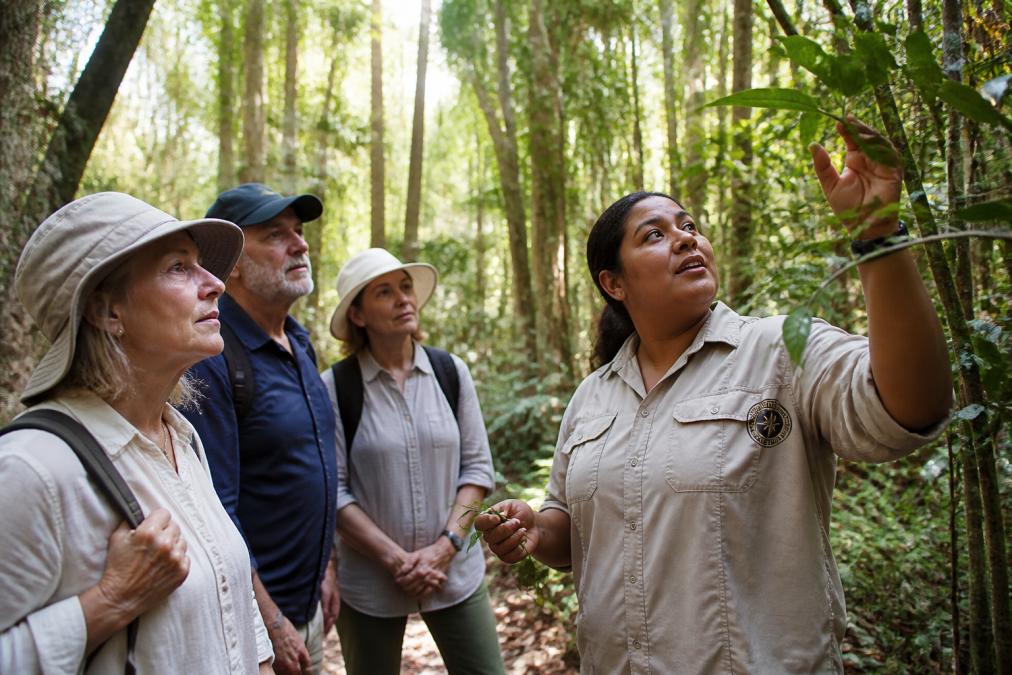
Entering remote Indigenous communities requires understanding and respecting customary practices. This isn't about performative respect, it's about genuine engagement that honours the communities hosting you.
Photography represents the first boundary. Many sacred sites and cultural practices prohibit photography entirely. Even where photos are technically permitted, asking permission before photographing individuals or cultural activities is non-negotiable. Some communities restrict images of certain ceremonies or locations for reasons rooted in spiritual practice. A responsible guide will make these restrictions clear upfront.
Sacred sites demand particular care. These aren't museums or scenic viewpoints, they're places of ongoing spiritual significance. When visiting, listen to your guide's explanation of why the site matters, what protocols apply, and which areas are restricted. Standing quietly and observing rather than touching or moving around helps maintain the integrity of the space. Treating sacred country with reverence isn't just polite; it's essential to the experience itself.
Seasonal and customary calendars shape community life in ways that affect tour availability and appropriateness. Certain times of year involve ceremonies or practices that aren't open to visitors. Other seasons affect landscape access, wet season makes some areas unreachable, while dry season enables different experiences. Understanding these rhythms helps you time your visit appropriately and increases the likelihood of meaningful engagement.
Gift-giving requires thoughtfulness. Bringing something from your own region or a practical item the community might use shows respect. Avoid gifts that feel tokenistic or that assume need. Many guides will suggest appropriate gifts when you book.
Listening outweighs asking questions. While guides welcome genuine curiosity, allowing them to lead the conversation respects their role as knowledge-holders. Some information is shared only when the guide judges the moment right. This isn't withholding, it's part of how knowledge traditionally transfers in these cultures.
Cape York Cultural Immersion Itineraries
Immersive itineraries differ fundamentally from day-trip experiences. They allow time for genuine understanding to develop, for relationships to form, and for the landscape itself to teach you.
Curious Compass Collective's Pajinka Tour represents an annual experience for this region. The 14-day and 9-day options both travel from Cairns to Cape York and return via Cooktown, Daintree, and Cape Tribulation. The longer format allows deeper exploration of heritage sites, traditional storytelling sessions, and community engagement. The 14-day version is fully accommodated, removing logistical stress entirely. This pacing, where you spend multiple days in key areas rather than moving constantly, creates space for conversations and observations that rushed itineraries simply don't allow.
Multi-day immersion formats typically combine several elements: guided expeditions through rainforest and savannah landscapes, time spent at heritage sites with cultural context provided by local guides, traditional storytelling sessions often held in evening settings where the guide's narrative becomes the focal point, and structured opportunities for community engagement that go beyond observation.
The difference between a 4-day and 9-day immersion is substantial. Four days covers essential highlights and gives you a sense of the region. Nine days allows you to sit with what you're learning, to ask follow-up questions, and to experience how landscape changes across different areas. You begin recognising patterns in how communities relate to country, how seasonal changes affect land management, and how traditional knowledge applies to contemporary environmental challenges.
Island community experiences add another dimension. Some itineraries include time with coastal communities where land and sea management intertwine. These experiences reveal how First Nations people maintain ecological diversity through sophisticated understanding of both terrestrial and marine systems.
Heritage Sites and Traditional Storytelling
Heritage sites carry meaning that extends far beyond their physical appearance. A rock formation, waterhole, or carved tree isn't just scenically interesting, it's a location where ancestral history, spiritual practice, and ongoing land management converge.
Traditional storytelling transforms these sites from viewpoints into living narratives. When a guide explains the Dreaming story connected to a particular landscape feature, you're learning how First Nations people encode ecological knowledge, moral teachings, and historical events into narrative form. These aren't fairy tales, they're sophisticated systems for transmitting information across generations.
The most effective heritage site experiences pair visual encounter with narrative context. You might stand at a location, listen to the story connected to it, and then understand how that story explains the landscape's features or why the community manages that country in particular ways. This integration, where story and place reinforce each other, creates understanding that isolated facts cannot achieve.
Many heritage sites involve restricted access or seasonal limitations. Some locations are open only to specific groups or during particular times. Understanding these restrictions isn't about being excluded, it's about respecting that not all knowledge is meant to be universally accessible. A guide explaining why a site is restricted teaches you something important about how these cultures approach knowledge itself.
Customary practices around heritage sites often involve specific protocols: removing shoes, maintaining silence in certain areas, or making offerings. These practices aren't arbitrary, they reflect spiritual relationships with country. Participating respectfully, even if the spiritual framework differs from your own, honours the significance the community places on these locations.
Why Small-Group Tours Make a Difference
Small-group size fundamentally changes what's possible in a tour experience. When you're moving with 8-12 people rather than 30 or 40, the dynamic shifts entirely.
Guides can actually respond to individual questions. In larger groups, guides typically follow a scripted presentation. In smaller groups, they can pause, elaborate on topics that genuinely interest the group, and adjust the pace based on how people are engaging. This responsiveness transforms a tour from information delivery into genuine conversation.
Physical comfort improves significantly. Smaller groups fit into more comfortable accommodation. Vehicle-based tours use purpose-designed 4WD vehicles rather than coach buses, which means better visibility, smoother terrain navigation, and less crowding. Mature travellers particularly notice the difference in joint strain and fatigue levels.
Community engagement becomes possible. When a guide brings a group of 10 people to meet community members, actual interaction happens. When the group is 40, you're observing from a distance. Smaller numbers allow conversations, questions, and the kind of human connection that makes cultural exchange meaningful rather than performative.
Safety protocols work more effectively. Guides can monitor individuals more closely, adjust activity intensity based on actual fitness levels, and respond quickly to any concerns. In remote terrain, this attention matters significantly.
Cost-sharing across a small group often works out more affordably than you'd expect.
Planning Your Tour: What to Know Before You Go
Booking an Indigenous culture tour requires different preparation than standard tourism. Timing, physical readiness, and understanding what to expect all influence whether your experience meets your hopes.
Frequently Asked Questions
What makes Indigenous culture tours different from standard sightseeing?
Indigenous culture tours centre on authentic connections with First Nations communities and their ancestral lands. Rather than viewing culture from a distance, you learn directly from traditional custodians who share customary practices, ancient stories, and ecological knowledge. Small-group formats allow for meaningful dialogue and deeper understanding of the region's heritage and contemporary Indigenous life, rather than the rushed pace of typical tourist experiences.
What cultural etiquette should I follow when visiting remote Indigenous communities?
Respect sacred sites by following guide instructions, some areas require permission to enter or photograph. Ask before taking photos of people or cultural items. Listen more than you speak, allowing Indigenous guides to set the pace and direction of conversations. Avoid touching cultural artefacts unless invited. Dress modestly, particularly at ceremonial events. Support local economies by purchasing from Indigenous-owned businesses. Always acknowledge that you are on traditional lands and express genuine curiosity rather than assumptions about Indigenous life.
Are there multi-day cultural immersion tours available in Cape York?
Yes. Several operators offer multi-day itineraries ranging from 9 to 21 days, combining 4WD travel through remote landscapes with guided cultural experiences. These extended journeys provide time to visit heritage sites, engage with local communities, learn traditional storytelling, and explore both rainforest and savannah ecosystems. Multi-day formats allow for a slower pace, reducing physical strain and allowing deeper cultural understanding. Curious Compass Collective offers the Pajinka Tour (9 and 14 days), combining Cape York with Cairns, Cooktown, and Daintree exploration.
How can I ensure my tour supports local Indigenous communities?
Choose tours led or co-led by Indigenous guides and operators, this ensures income flows directly to First Nations people. Ask whether the operator has partnerships with local communities and what percentage of tour fees support Indigenous-owned businesses. Look for operators with sustainable and ethical tourism certification. Avoid tours that treat Indigenous culture as entertainment rather than living heritage. Support community-based accommodation and dining options. Ask guides directly about their connection to the land and their role in land management decisions.
Frequently asked questions
What makes Indigenous culture tours different from standard sightseeing?
Indigenous culture tours centre on authentic connections with First Nations communities and their ancestral lands. Rather than viewing culture from a distance, you learn directly from traditional custodians who share customary practices, ancient stories, and ecological knowledge. Small-group formats allow for meaningful dialogue and deeper understanding of the region's heritage and contemporary Indigenous life, rather than the rushed pace of typical tourist experiences.
What cultural etiquette should I follow when visiting remote Indigenous communities?
Respect sacred sites by following guide instructions—some areas require permission to enter or photograph. Ask before taking photos of people or cultural items. Listen more than you speak, allowing Indigenous guides to set the pace and direction of conversations. Avoid touching cultural artefacts unless invited. Dress modestly, particularly at ceremonial events. Support local economies by purchasing from Indigenous-owned businesses. Always acknowledge that you are on traditional lands and express genuine curiosity rather than assumptions about Indigenous life.
Are there multi-day cultural immersion tours available in Cape York?
Yes. Several operators offer multi-day itineraries ranging from 9 to 21 days, combining 4WD travel through remote landscapes with guided cultural experiences. These extended journeys provide time to visit heritage sites, engage with local communities, learn traditional storytelling, and explore both rainforest and savannah ecosystems. Multi-day formats allow for a slower pace, reducing physical strain and allowing deeper cultural understanding. Curious Compass Collective offers the Pajinka Tour (9 and 14 days), combining Cape York with Cairns, Cooktown, and Daintree exploration.
How can I ensure my tour supports local Indigenous communities?
Choose tours led or co-led by Indigenous guides and operators—this ensures income flows directly to First Nations people. Ask whether the operator has partnerships with local communities and what percentage of tour fees support Indigenous-owned businesses. Look for operators with sustainable and ethical tourism certification. Avoid tours that treat Indigenous culture as entertainment rather than living heritage. Support community-based accommodation and dining options. Ask guides directly about their connection to the land and their role in land management decisions.