
Table of Contents
- What Makes Cape York Wilderness Tours Different
- Best Time to Visit Cape York
- Duration of Cape York Wilderness Expeditions
- What to Expect: Destinations, Wildlife and Highlights
- Cape York Travel Tips for Mature Travellers
- Accommodation and Comfort on Remote Expeditions
- Planning Your Cape York Adventure: Logistics and Preparation
- Frequently Asked Questions
Last Updated: September 27, 2026
What Makes Cape York Wilderness Tours Different
Cape York wilderness tours stand apart because they're designed for travellers who want authentic remote exploration without the physical punishment of typical expeditions. The difference lies in intentional pacing, expert storytelling, and vehicles purpose-built for rugged terrain rather than speed.
Most commercial tours treat the Far North Queensland wilderness as a checklist. You hit the highlights, snap photos, and move on. Cape York wilderness tours through operators like Curious Compass Collective flip that model: the journey itself becomes the experience. Small groups travel together, which means you're not competing for attention or rushing through moments that matter.
The terrain around the Tip of Australia demands respect. Red laterite tracks, river crossings, and coastal scenery require vehicles engineered for off-road travel. Purpose-designed 4WD vehicles aren't just about capability, they're about comfort. Proper suspension, elevated seating, and strategic stops mean you experience the landscape rather than endure it. Your guide becomes a storyteller, not a timekeeper, sharing knowledge about the Indigenous cultures, wildlife, and geology you're moving through.
Safety and logistics are built into the itinerary, not bolted on as afterthoughts. Professional guides carry communication equipment, understand remote area protocols, and know where water, fuel, and shelter are located. For mature travellers, this means you can focus on the experience instead of worrying about whether the next camp will have what you need.
Best Time to Visit Cape York
The best time to visit Cape York depends entirely on what you want from the experience. The dry season, roughly May through September, offers the most reliable conditions for 4WD adventure travel. Roads are passable, water crossings are manageable, and the tropical heat is tempered by lower humidity. This is peak season for Cape York wilderness tours, and for good reason.
The wet season, November through March, transforms the landscape. Vegetation explodes with colour, wildlife becomes more active, and the wilderness feels genuinely untamed. However, roads become treacherous. Flash flooding can cut off access to remote areas within hours. Many tour operators suspend Cape York wilderness expeditions during this period because logistics become unpredictable.
April and October sit in the shoulder season, a sweet spot some operators exploit. The heat builds, but roads remain mostly passable. Fewer tourists mean quieter camps and more intimate wildlife encounters. If you're flexible on dates, asking your operator about shoulder-season departures can yield better value and fewer crowds.
For mature travellers planning a Cape York adventure, the dry season (May-September) is the safest and most comfortable choice. Curious Compass Collective runs its annual Pajinka Tour during this window, which speaks to the practical reality: this is when the wilderness is most accessible without sacrificing comfort or safety.
Duration of Cape York Wilderness Expeditions
Most Cape York wilderness tours run between 9 and 14 days. This duration balances travel time, acclimatisation, and the actual exploration of the peninsula.
A 9-day expedition covers the essentials: Cairns to Cooktown, through the Daintree Rainforest, and up to the Tip of Australia. You'll see Princess Charlotte Bay, experience the Kennedy River, and spend time in Lakefield National Park. It's tight but achievable, and suits travellers with limited time off work.
The 14-day version is the sweet spot for most groups. You get everything the 9-day tour offers, plus buffer time. Bad weather doesn't derail your schedule. You can spend an extra night at a location that captivates you. Rest days become genuine rest, not rushed transitions between camps. For mature travellers especially, the 14-day duration allows your body to adjust to the pace without exhaustion setting in by day three.
Some operators offer extended 21-day expeditions. These journeys venture beyond Cape York into the Kimberley region, adding days of exploration in a different wilderness entirely. The trade-off is commitment: three weeks away from home requires serious planning.
Duration also affects cost and physical demand. Shorter tours compress activity into fewer days. Longer tours spread the same activities across more time, reducing daily strain. If you're concerned about fitness or energy levels, the 14-day option is genuinely easier than the 9-day, even though it covers more ground.
What to Expect: Destinations, Wildlife and Highlights
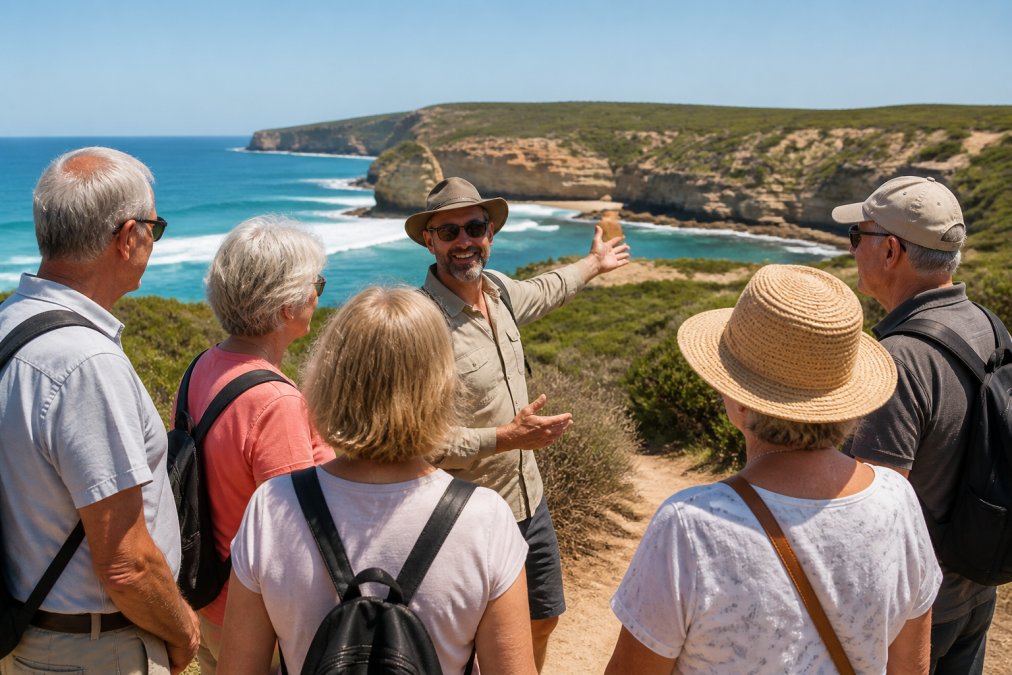
The Daintree Rainforest is your entry point to the wilderness. This ancient tropical landscape predates the Amazon and contains species found nowhere else on Earth. You'll see towering trees, ferns that look prehistoric, and wildlife that moves through the canopy above your head. The Kennedy River winds through this region, and crossings become part of the adventure.
Lakefield National Park sits at the heart of Cape York wilderness exploration. This sprawling protected area contains wetlands, eucalypt woodlands, and river systems that support crocodiles, brolgas, and countless bird species. Tours typically include guided walks where your guide explains the ecology and Indigenous significance of the landscape. Wildlife spotting happens constantly, not as a separate activity, but as a natural consequence of moving through the environment.
Princess Charlotte Bay represents the remote coast. The scenery shifts from forest to open water, and the sense of isolation becomes tangible. This is where you understand why the Tip of Australia captures people's imaginations. The landscape feels genuinely untamed, even though you're moving through it in a managed group.
The Tip itself, Cape York Peninsula's northernmost point, is often the psychological climax of a Cape York wilderness tour. Standing at the convergence of the Coral Sea and the Gulf of Carpentaria, you're at the edge of Australia. The moment is more about perspective than spectacle, which is precisely why it matters.
Wildlife encounters are constant but unpredictable. Saltwater crocodiles sunbathe on riverbanks. Brolgas wade through wetlands. Cassowaries move through the forest (though sightings are rare). Bats emerge at dusk. Your guide interprets these encounters, explaining behaviour and ecology rather than just naming animals. This transforms wildlife spotting from ticking a checklist into genuine learning.
Cape York Travel Tips for Mature Travellers
The best travel tip for Cape York wilderness expeditions is honest preparation. Know your fitness baseline before committing. You don't need to be athletic, but you should be able to walk 2-3 kilometres over uneven terrain without significant strain. Most days involve camp setup, vehicle boarding, and short walks, not marathon hikes. However, one or two days might include longer exploration, and your knees will feel it if you're unprepared.
Packing for remote wilderness requires different thinking than beach holidays. Bring layers: mornings are cool, midday heat is intense, and evenings cool again. Lightweight, quick-dry clothing works better than cotton. A good hat and sunscreen are non-negotiable, the sun at this latitude is relentless. Insect repellent matters, though biting insects are less of a problem during the dry season than you might expect.
Medications and personal health items should come in double quantities. Pharmacies don't exist in Lakefield National Park. If you take regular medications, bring extras. Pain relief, antacids, and anti-diarrhoea medication are worth including, even if you don't expect to need them.
Mental preparation matters as much as physical preparation. The wilderness is genuinely remote. Mobile coverage is nonexistent for days at a time. This is a feature, not a bug, it's why people come. But if you're anxious about disconnection, acknowledge that before booking. Most travellers report that the first day of no signal feels strange, and by day three, it feels liberating.
Curious Compass Collective's approach to mature traveller logistics includes pre-tour communication about fitness expectations, packing lists, and what the daily rhythm actually looks like. This transparency helps you make an informed decision and prepare appropriately. Tours designed for your age group account for energy levels, recovery time, and comfort in ways that generic expeditions simply don't.
Accommodation and Comfort on Remote Expeditions
Accommodation on Cape York wilderness tours typically falls into two categories: camping and fully accommodated lodges. The choice defines your entire experience.
Camping means swags or tents at designated sites. You're sleeping under stars, hearing wildlife around you, and experiencing the landscape at its most immersive. For many travellers, this is the point, genuine wilderness means genuine exposure to the environment. However, camping also means dealing with dust, heat, and the physical act of setting up and breaking down camp daily. For mature travellers with joint issues or mobility concerns, this can be exhausting by day five.
Fully accommodated tours use established lodges, cabins, or purpose-built camps with beds, bathrooms, and reliable facilities. Curious Compass Collective offers 14-day fully accommodated Cape York expeditions alongside camping options. The difference is profound: you sleep in a bed, shower with hot water, and wake without the physical effort of packing a tent. The wilderness experience doesn't diminish, you're still exploring Lakefield National Park, crossing rivers, and spotting wildlife.
Planning Your Cape York Adventure: Logistics and Preparation
Planning a Cape York wilderness tour requires attention to detail that casual beach holidays don't demand. Start by choosing your operator and tour length. Curious Compass Collective's Pajinka Tour runs annually and departs from Cairns. Research what each operator includes: vehicle, accommodation, meals, guides, and insurance.
Frequently Asked Questions
What is the best month to visit Cape York?
The dry season (May to October) is ideal for Cape York wilderness tours. Roads are accessible, weather is stable, and wildlife viewing is excellent. June to August offers cooler temperatures and fewer insects. The wet season (November to April) brings tropical storms, flooded rivers, and difficult road conditions, making most wilderness expeditions unsuitable for mature travellers.
How long do Cape York wilderness expeditions typically last?
Most wilderness expeditions range from 9 to 14 days, depending on your itinerary and interests. Shorter trips (9 days) cover key highlights from Cairns to the Tip and back via Cooktown and Daintree. Extended expeditions (14 days) allow deeper exploration of remote areas and Lakefield National Park. Thoughtfully paced tours prioritise comfort over rushing, so you'll have time to absorb the landscape and connect with guides.
What should I pack for a Cape York wilderness tour?
Bring lightweight, breathable clothing for tropical heat, sturdy walking boots for uneven terrain, a wide-brimmed hat, high-SPF sunscreen, and insect repellent. Pack layers for air-conditioned vehicles and cooler evenings. Include medications, a reusable water bottle, binoculars for wildlife spotting, and a camera. Most tours provide camping gear or motel accommodation, but confirm what's included before departing. A small daypack is essential for excursions.
Are Cape York wilderness tours suitable for people with mobility concerns?
Purpose-designed 4WD vehicles offer comfort and stability on rugged terrain, minimising physical strain during travel. However, some walking is involved at stops and attractions. Tours can be customised to suit your fitness level, shorter walks, extra rest days, and accessible accommodation options are available. Discuss any mobility concerns with your tour operator before booking to ensure the itinerary matches your capabilities and comfort.
Frequently asked questions
What is the best month to visit Cape York?
The dry season (May to October) is ideal for Cape York wilderness tours. Roads are accessible, weather is stable, and wildlife viewing is excellent. June to August offers cooler temperatures and fewer insects. The wet season (November to April) brings tropical storms, flooded rivers, and difficult road conditions, making most wilderness expeditions unsuitable for mature travellers.
How long do Cape York wilderness expeditions typically last?
Most wilderness expeditions range from 9 to 14 days, depending on your itinerary and interests. Shorter trips (9 days) cover key highlights from Cairns to the Tip and back via Cooktown and Daintree. Extended expeditions (14 days) allow deeper exploration of remote areas and Lakefield National Park. Thoughtfully paced tours prioritise comfort over rushing, so you'll have time to absorb the landscape and connect with guides.
What should I pack for a Cape York wilderness tour?
Bring lightweight, breathable clothing for tropical heat, sturdy walking boots for uneven terrain, a wide-brimmed hat, high-SPF sunscreen, and insect repellent. Pack layers for air-conditioned vehicles and cooler evenings. Include medications, a reusable water bottle, binoculars for wildlife spotting, and a camera. Most tours provide camping gear or motel accommodation, but confirm what's included before departing. A small daypack is essential for excursions.
Are Cape York wilderness tours suitable for people with mobility concerns?
Purpose-designed 4WD vehicles offer comfort and stability on rugged terrain, minimising physical strain during travel. However, some walking is involved at stops and attractions. Tours can be customised to suit your fitness level—shorter walks, extra rest days, and accessible accommodation options are available. Discuss any mobility concerns with your tour operator before booking to ensure the itinerary matches your capabilities and comfort.