
Table of Contents
- Why Cape York is ideal for mature travellers
- Best time to visit Cape York
- Cape York 4WD tour packages explained
- Physical requirements and mobility considerations
- What to pack for Cape York
- Key destinations and cultural experiences
- Health and medical preparedness for remote travel
- How to choose the right tour operator
- Operator credentials to verify:
- Frequently Asked Questions
Last Updated: September 26, 2026
Why Cape York is ideal for mature travellers
Cape York represents one of Australia's most compelling destinations for seniors seeking genuine adventure without compromise. The region's remote wilderness, combined with purpose-designed tour infrastructure, creates conditions where mature travellers can explore authentically without the physical strain that deters many from remote exploration.
A thoughtfully structured Cape York seniors tour builds in rest days, shorter driving segments, and flexible activity options, you spend time with landscapes, communities, and local guides who share stories that transform a destination into a lived experience.
Modern 4WD vehicles are engineered for comfort on rough tracks, with suspension systems that absorb impact far better than standard coaches. Modern 4WD vehicles are engineered for comfort on rough tracks, with suspension systems that absorb impact far better than standard coaches.
Safety protocols on professional Cape York seniors tours exceed what you'd encounter on crowded tourist routes. Small group sizes mean guides know every participant's mobility level, health considerations, and preferences. Remote travel requires this attention to detail; it's not optional.
Best time to visit Cape York
The ideal window for Cape York seniors tours runs from May through September, during Australia's dry season. This period offers the most reliable weather, minimal rainfall, and cooler temperatures that make outdoor exploration comfortable for mature travellers.
May and June offer optimal conditions with warm days, clear skies, and manageable humidity. July and August bring cooler temperatures, while September remains reliable but heat builds toward monsoon months.
Avoid October through April entirely. The wet season transforms Cape York into an inaccessible region where roads become impassable, humidity soars, and cyclone risk creates genuine safety concerns. Many tour operators cease operations during these months for precisely this reason.
The best time to visit Cape York for seniors aligns with these dry months, particularly May through July. During this window, Curious Compass Collective runs its annual Pajinka Tour, a 9 or 14-day expedition from Cairns through Cape York and return via Cooktown, Daintree, and Cape Tribulation. This timing ensures you're traveling when conditions favour both comfort and safety.
Cape York 4WD tour packages explained
Cape York seniors tours come in two primary formats: guided group tours and private expeditions. Each model serves different needs, and the right choice depends on your travel style, budget flexibility, and group composition.
Guided group tours vs. private expeditions
Guided group tours operate on fixed departure dates with set itineraries. The structure provides built-in social connection and group dynamics that create informal friendships and shared problem-solving on remote roads.
Private expeditions offer customisation: your group defines the pace, prioritises destinations, and adjusts mid-tour for specific interests or mobility needs.
Group tours cost less per person with full logistics management; private expeditions demand higher investment but deliver tailored experiences. For many seniors, group tours strike the right balance.
What's included and excluded from your package
Standard inclusions cover professional guides, vehicle transportation, and entry fees to national parks and cultural sites. Some operators include guided walks or boat tours.
Typical exclusions: travel insurance, personal medications, alcohol beyond meals, guide tips, and activities outside the itinerary. Confirm exclusions and dietary requirements with your operator before booking.
The distinction matters for budgeting. A package listed at a certain price may not include items you assume are covered. Ask specifically about meals, park entry, guide gratuities, and any optional excursions. Reputable operators like Curious Compass Collective provide detailed breakdowns of what's included before you commit.
Physical requirements and mobility considerations
Cape York seniors tours suit active seniors with moderate fitness: comfortable walking 2-4 kilometres daily over uneven terrain and spending 6-8 hours in a vehicle.
Entering and exiting the 4WD vehicle requires some mobility. If you have knee or hip concerns, discuss this with the operator; some vehicles have steps or handles for easier access.
Walking activities vary: Tip viewpoint walks are typically 1-2 kilometres on maintained paths; Daintree rainforest walks range from 500 metres to 3-4 kilometres. Operators should offer activity choices based on your energy and mobility.
Heat tolerance matters more than pure fitness. Walking in open terrain without shade requires acclimatisation; start with shorter walks and build tolerance over the first few days.
Discuss mobility limitations, joint concerns, or health conditions with the operator before booking; guides adjust activities based on actual group capability.
What to pack for Cape York
Packing for Cape York requires attention to comfort and practicality; the remote setting means no access to pharmacies or shops if you forget essentials.
Clothing essentials:
- Lightweight, breathable layers (merino wool or moisture-wicking synthetics outperform cotton)
- A warm jumper for cool evenings and early mornings
- Long sleeves and trousers for sun and insect protection
- Sturdy walking shoes broken in before departure
- Wide-brimmed hat with neck protection
- Sunglasses rated for UV protection
Comfort items specific to seniors:
- Compression socks for long vehicle days (reduces swelling and improves circulation)
- Neck pillow for vehicle travel
- Moisture-wicking base layers to manage perspiration
- Slip-on shoes for camp/lodge wear (easier than lacing boots repeatedly)
- Reading material or tablet for downtime
Health and personal care:
- All prescription medications in original containers with copies of prescriptions
- Over-the-counter pain relief suitable for your body
- Blister treatment and foot care supplies
- Sunscreen (SPF 50+) and lip balm with SPF
- Insect repellent effective against mosquitoes
- Any personal mobility aids (walking poles, compression wraps)
Practical additions:
- Reusable water bottle (stays hydrated in heat)
- Quick-dry towel
- Toiletries in travel sizes
- Phone charger (most camps have power)
- Torch or headlamp with spare batteries
Pack as if you won't have access to shops, because you won't. Camps provide beds, hot water, and meals, but remoteness demands self-sufficiency.
Key destinations and cultural experiences
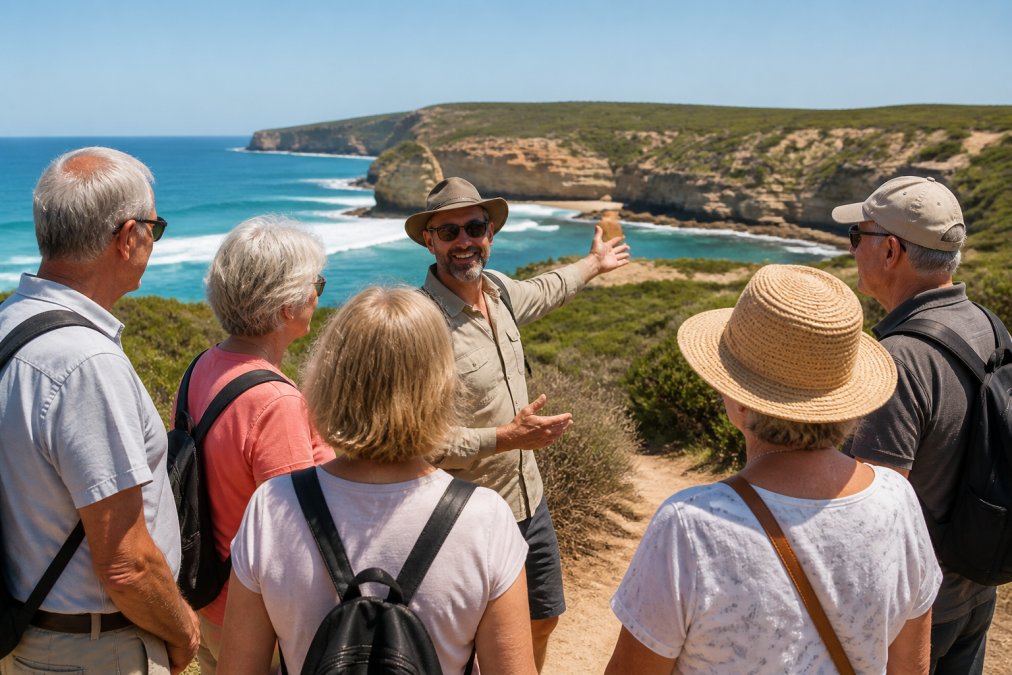
Cape York seniors tours revolve around three anchor destinations, each offering distinct experiences and cultural connections.
The Tip and northern wilderness
The northernmost point of mainland Australia represents the emotional centrepiece of any Cape York journey, a psychological milestone many seniors describe as profoundly moving.
The drive traverses the Bloomfield Track, a challenging 4WD route where purpose-designed tour vehicles prove their worth. The expedition itself becomes part of the experience, genuinely remote, off-road, and beyond typical tourist infrastructure.
The landscape shifts to open coastal wilderness with red earth and sparse vegetation. The walk to the northernmost point typically takes 30-45 minutes over maintained but uneven paths, comfortably completed by most seniors.
Daintree rainforest and Bloomfield Track
The Daintree is one of Earth's oldest rainforests with vegetation patterns dating back over 100 million years. The density of life, layered canopy, sounds, and smells create sensory immersion that photographs can't capture.
Cooktown and local custodian connections
Cooktown serves as the gateway to Cape York and marks where explorer James Cook beached his ship in 1770. The Cooktown Museum documents this encounter and regional history.
Health and medical preparedness for remote travel
Remote travel demands different health planning than standard tourism. Medical facilities are limited and the nearest hospital is hours away by helicopter, requiring thorough preparation.
Common concerns for remote travel:
- Dehydration: Drink more water than you think necessary in dry climates.
- Fatigue: Rest adequately on arrival due to heat and activity.
- Insect-borne illnesses: Use insect repellent consistently, wear long sleeves at dawn and dusk, report fever or unusual symptoms immediately.
- Digestive upset: Bring appropriate remedies for dietary changes.
How to choose the right tour operator
Selecting the right operator shapes your entire experience. This decision matters more than the specific itinerary, because execution determines whether a tour becomes a cherished memory or a regretted expense.
Operator credentials to verify:
- Public liability and professional indemnity insurance
- Guide qualifications
Questions to ask before booking:
- How many years have you operated in Cape York specifically?
- What's your guide-to-client ratio?
- What's included in your package, and what costs extra?
Red flags to avoid:
- Operators who won't provide references
- Vague descriptions of inclusions or exclusions
- No documented safety procedures
- Guides without first aid certification
- Pressure to book quickly without time to consider
Frequently Asked Questions
What is the best month to visit Cape York?
The dry season from May to October offers the most comfortable conditions for Cape York seniors tours. Temperatures are mild, rainfall is minimal, and road conditions are generally safer. June to August bring cooler temperatures ideal for outdoor exploration, while September and October mark the transition toward warmer weather. The wet season (November to April) brings humidity, tropical downpours, and challenging track conditions, making it unsuitable for mature travellers seeking comfort and accessibility.
What level of physical fitness is required for Cape York 4WD tour packages?
Most thoughtfully paced Cape York tours accommodate varying fitness levels. You don't need to be an athlete, moderate mobility and comfort with walking short distances (typically 500 metres to 2 kilometres per day) is sufficient. Purpose-designed 4WD vehicles minimise bumping and jarring, and guides tailor stops and activities to your group's capabilities. If you have specific mobility concerns, discuss them when booking; operators can adjust itineraries, provide assistance, and recommend accessible sites that match your needs.
What should seniors pack for a remote outback expedition?
Pack lightweight, breathable clothing in neutral colours, a wide-brimmed hat, high-SPF sunscreen, and comfortable walking shoes with grip. Bring prescription medications in original containers, a personal first-aid kit, and any medical documents. Layers are essential, mornings and evenings cool significantly in the dry season. Include a refillable water bottle, insect repellent, and moisturiser for dry outback air. Check your tour operator's packing list, as some provide camp equipment, bedding, or specialised gear; this reduces what you need to carry.
How do small-group tours differ from traditional coach tours for mature travellers?
Small-group tours prioritise comfort and personalised attention over speed and volume. Guided group tours with 8-15 people allow flexible pacing, meaningful conversations with fellow travellers, and expert storytelling that transforms sightseeing into cultural immersion. Coach tours often rush through multiple sites daily, leaving limited time for reflection or genuine local connection. Small-group escorted journeys on 4WD vehicles access remote wilderness and narrow tracks that coaches cannot navigate, delivering authentic outback and tropical rainforest experiences unavailable on standard tourist routes.
Frequently asked questions
What is the best month to visit Cape York?
The dry season from May to October offers the most comfortable conditions for Cape York seniors tours. Temperatures are mild, rainfall is minimal, and road conditions are generally safer. June to August bring cooler temperatures ideal for outdoor exploration, while September and October mark the transition toward warmer weather. The wet season (November to April) brings humidity, tropical downpours, and challenging track conditions, making it unsuitable for mature travellers seeking comfort and accessibility.
What level of physical fitness is required for Cape York 4WD tour packages?
Most thoughtfully paced Cape York tours accommodate varying fitness levels. You don't need to be an athlete—moderate mobility and comfort with walking short distances (typically 500 metres to 2 kilometres per day) is sufficient. Purpose-designed 4WD vehicles minimise bumping and jarring, and guides tailor stops and activities to your group's capabilities. If you have specific mobility concerns, discuss them when booking; operators can adjust itineraries, provide assistance, and recommend accessible sites that match your needs.
What should seniors pack for a remote outback expedition?
Pack lightweight, breathable clothing in neutral colours, a wide-brimmed hat, high-SPF sunscreen, and comfortable walking shoes with grip. Bring prescription medications in original containers, a personal first-aid kit, and any medical documents. Layers are essential—mornings and evenings cool significantly in the dry season. Include a refillable water bottle, insect repellent, and moisturiser for dry outback air. Check your tour operator's packing list, as some provide camp equipment, bedding, or specialised gear; this reduces what you need to carry.
How do small-group tours differ from traditional coach tours for mature travellers?
Small-group tours prioritise comfort and personalised attention over speed and volume. Guided group tours with 8–15 people allow flexible pacing, meaningful conversations with fellow travellers, and expert storytelling that transforms sightseeing into cultural immersion. Coach tours often rush through multiple sites daily, leaving limited time for reflection or genuine local connection. Small-group escorted journeys on 4WD vehicles access remote wilderness and narrow tracks that coaches cannot navigate, delivering authentic outback and tropical rainforest experiences unavailable on standard tourist routes.