
Table of Contents
- Understanding Cape York River Crossings
- Best Time to Visit Cape York for River Crossings
- 4WD River Crossing Techniques and Safety Protocols
- Cape York Itinerary Duration and Route Planning
- Vehicle Preparation for Remote River Terrain
- Guided Tour Options and What to Expect
- Conclusion: Planning Your River Crossing Adventure
- Frequently Asked Questions
Last Updated: September 28, 2026
Understanding Cape York River Crossings
Cape York river crossings represent one of Australia's most challenging 4WD adventures. Located at the tip of Far North Queensland, this remote region demands respect, preparation, and genuine expertise, with pristine wilderness combined with serious technical obstacles, creek crossings, boggy terrain, and river fords.
River crossings aren't casual water splashes, they're calculated decisions involving water depth assessment, current strength evaluation, and vehicle capability matching. A single miscalculation can strand you in remote country where help is hours away, which is why guided tours have become the preferred option for most travellers.
Curious Compass Collective's 14 and 9 day Pajinka Tours from Cairns to Cape York and return via Cooktown, Daintree, and Cape Tribulation combine expert guidance with purposefully paced experiences designed for mature travellers seeking genuine adventure without excessive physical strain or logistical complexity.
Best Time to Visit Cape York for River Crossings
Timing your Cape York river crossings visit correctly separates a manageable adventure from a dangerous one. The dry season (May-October) offers the most reliable crossing conditions, with lower water levels, stabilised creek beds, and improved track conditions.
During the dry season, rivers are lower and more predictable, allowing visual depth assessment and informed crossing decisions. The Jardine River becomes a genuine ford rather than a raging torrent, with tidal movements mattering less and a wider window for safe crossing attempts.
The wet season (November-April) transforms the landscape entirely, creeks become rivers, rivers become impassable, and flash flooding can occur with minimal warning. Most tours don't operate during this period.
Real-Time River Level Monitoring
Conditions within the dry season vary dramatically week to week. Professional operators and serious independent travellers monitor current water levels before committing to a trip.
The Queensland Government's Bureau of Meteorology operates stream gauges across Far North Queensland. The Jardine River gauge at Helidon provides real-time water level data. Check bom.gov.au under "Hydrological Forecasts" and compare current readings against historical averages for that date.
Local tour operators maintain informal networks reporting conditions daily. Ask your operator about current Jardine River levels and how they compare to typical conditions for that week, responsible operators adjust itineraries if levels are rising or unusually high.
For independent travellers, contact the Cooktown or Cairns Visitor Centre before departure for recent reports from people who've just completed the tracks.
Seasonal Nuance: Early, Mid, and Late Dry Season
Early dry season (May-June) offers excellent crossing conditions with fewer crowds, defined creek beds, reliable water sources, and mild temperatures (25-28°C).
Mid-dry season (July-August) brings peak reliability with lowest water levels and minimised crossing difficulty, though crowds increase and accommodation books out weeks in advance.
Late dry season (September-October) offers good crossing conditions with minimal crowds and lowest tour prices, though some water sources dry up and track conditions begin deteriorating.
Avoid April and November entirely, April presents unpredictable flash flooding risk, and November marks wet season onset with rising humidity and serious rain events.
4WD River Crossing Techniques and Safety Protocols
Successful river crossings depend on technique, vehicle preparation, and honest assessment of capabilities. Momentum carries you through, but control keeps you safe, too slow and the current pushes you sideways; too fast and you lose traction or swamp the engine.
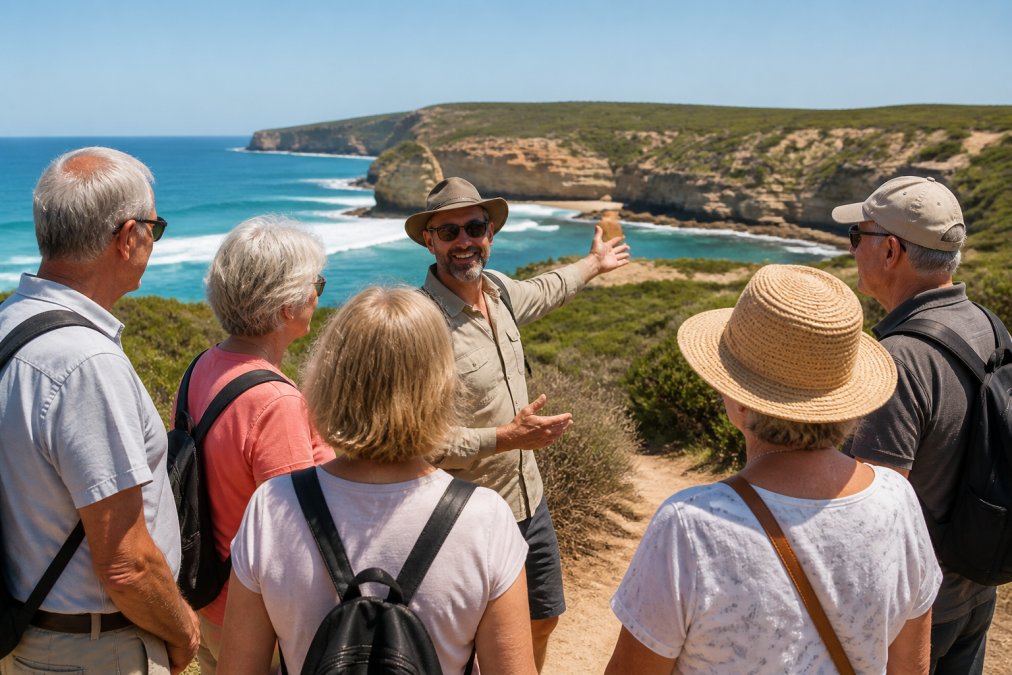
Scout the ford on foot first, checking water depth across the entire width for submerged rocks, soft spots, and current patterns. Identify your exit point before entering.
Maintain steady momentum in low range for maximum torque and control. Engage diff breakers to prevent wheel spin and maintain traction. Keep engine RPM consistent, sudden acceleration or deceleration breaks traction.
Water ingress is the real danger. Snorkels route air intake above normal water level, protecting the engine from hydro-locking. Most purpose-designed 4WD vehicles have snorkels as standard. Recovery gear, snatch straps, winches, and towing capacity matter enormously when something goes wrong.
Many independent travellers underestimate crossing difficulty. Professional guides assess water depth, current strength, and vehicle capability together to decide whether a crossing is safe, marginal, or impossible, a judgment call that often means the difference between adventure and disaster.
Cape York Itinerary Duration and Route Planning
How long should a Cape York river crossings tour take? The answer depends on what you want to experience, a rushed itinerary differs dramatically from one designed for genuine immersion.
Most comprehensive Cape York itineraries run 14 days minimum, allowing time for vehicle preparation, acclimatisation, multiple major river crossings, and exploration. The 14 and 9 day Pajinka Tours balance duration with depth.
Route planning centres on the Old Telegraph Track (OTT) and Frenchmans Track, the two major overland routes to the Tip. Most tours combine elements of both rather than committing entirely to one.
A typical 14 day itinerary allocates roughly three days to major river crossings and technical sections, four days to exploration and scenic stops, three days to travel and repositioning, and four days to acclimatisation and contingency. This rhythm prevents exhaustion while maintaining genuine adventure.
Vehicle Preparation for Remote River Terrain
Your vehicle is your lifeline in this environment. Professional tours use purpose-designed 4WD vehicles specifically configured for this terrain, not standard SUVs.
Essential Modifications: Stock vs. Modified Rigs
Not all 4WD vehicles are created equal for Cape York river crossings. The distinction between stock vehicles and properly modified rigs directly determines which crossings are safe, marginal, or impossible.
Stock 4WD vehicles (unmodified factory models like Toyota LandCruiser 79 Series or Isuzu D-Max) can handle most Cape York tracks and many river crossings if well-maintained. However, they lack critical protections: without a snorkel, water entering the intake causes hydro-locking; without diff breakers, wheel spin breaks traction; without raised suspension, the undercarriage risks damage to fuel tanks, transfer cases, and sump guards.
Stock vehicles can cross the Jardine River during low-water conditions (June-August) if scouted properly, but struggle with multiple creek crossings on the Old Telegraph Track's northern section.
Modified 4WD vehicles (equipped with snorkels, diff breakers, raised suspension, and reinforced undercarriage protection) handle the full range of Cape York crossings safely. Snorkels protect the engine; diff breakers maintain traction; raised suspension clears obstacles; reinforced sump guards and skid plates prevent catastrophic damage.
Most professional tour operators use modified vehicles as standard, equipped for worst-case scenarios. This is the difference between a recoverable situation and a helicopter rescue.
If considering independent travel in a stock vehicle, be honest about crossing limits. The Jardine River is passable during optimal conditions, but marginal water levels or unexpected current strength can strand you. Multiple crossings compound risk.
Tyre Pressure Management
Tyre pressure management matters enormously and is often overlooked. Lower pressures on soft terrain (16-18 psi) increase contact patch and improve traction, compared to factory recommendation of 32 psi on bitumen.
Most serious operators carry portable air compressors and adjust pressures according to track conditions, lowering them before soft sections and raising them before bitumen driving.
Incorrect tyre pressure is a common cause of bogging and track damage. Professional guides make pressure adjustments a routine part of track transitions; independent travellers often neglect this.
Recovery Gear and Rigging Knowledge
Recovery gear represents your insurance policy. Snatch straps, winches, and proper rigging knowledge mean the difference between a recoverable situation and an expensive helicopter rescue. Most serious tours carry multiple recovery options: snatch straps, kinetic ropes, and winches.
Proper rigging technique is critical. Professional guides train extensively on recovery procedures. Independent travellers often carry recovery gear but lack the knowledge to deploy it safely.
Post-Crossing Maintenance Checklist
Water exposure corrodes components, clogs filters, and degrades fluids. Many independent travellers complete a crossing successfully and continue driving without checking for damage, causing latent corrosion and contamination to manifest days later in remote country.
Professional tour operators conduct thorough post-crossing checks immediately after water immersion:
Engine and cooling system: Check coolant level and colour for water ingress. Inspect the radiator for mud or debris. Check engine oil for dilution or discolouration.
Air intake and filters: Inspect the snorkel outlet, engine air filter, and cabin air filter for moisture or contamination.
Electrical systems: Inspect visible connectors for corrosion. Check that all lights function and test the starter motor.
Brake system: Water in brake fluid reduces braking effectiveness.
Guided Tour Options and What to Expect
Guided tours eliminate the logistics burden while preserving the adventure. You don't navigate. You don't coordinate camp setup. You don't manage recovery situations. You experience the landscape while professionals handle complexity.
Conclusion: Planning Your River Crossing Adventure
Cape York river crossings demand respect and preparation, but they're absolutely achievable with proper guidance. The landscape rewards genuine effort with experiences you'll remember for decades, pristine wilderness, authentic challenge, and the satisfaction of accomplishing something genuinely difficult.
Frequently Asked Questions
What is the best month to visit Cape York for river crossings?
The dry season from May to October offers the safest conditions for Cape York river crossings. Water levels drop significantly, creek beds become more stable, and track conditions improve substantially. June through August provide the most reliable window, though May and September-October remain viable. The wet season (November to April) brings swollen rivers, boggy terrain, and impassable tracks. Plan your visit accordingly, and check real-time river level monitoring before departure to confirm crossing safety.
How long does a Cape York itinerary typically take from Cairns?
A comprehensive Cape York itinerary duration ranges from 9 to 21 days depending on your route and pace. A nine-day trip covers the main highlights and river crossings at a steady pace. A 14-day itinerary allows deeper exploration with more stops and cultural experiences. Guided tours typically follow thoughtfully paced schedules to avoid exhaustion and maximise enjoyment.
What are the key 4WD river crossing techniques for safe passage?
Effective 4WD river crossing techniques include checking water depth before entering, maintaining steady momentum in low range, and avoiding sudden direction changes mid-crossing. Tyre pressure adjustment improves traction on soft creek beds. Snorkels and diff breathers prevent water ingress into critical engine components. Recovery gear including snatch straps and winch systems should be on hand for unexpected situations. Professional guides assess current strength and river bed conditions, timing crossings carefully. Never attempt crossings alone, guided tours provide expert assessment and real-time safety monitoring throughout.
Are river crossings in Cape York suitable for seniors or less experienced drivers?
Yes, guided tours make river crossings accessible to mature travellers and those without off-road experience. Expert guides handle all driving through challenging sections, allowing passengers to experience the adventure safely from within the vehicle. Purpose-designed 4WD vehicles offer comfort and stability. Small-group tours provide personalised attention and can adjust pace to suit fitness levels. You remain seated throughout crossings, no strenuous physical activity required. Safety certifications, insurance, and experienced guides ensure professional management of all remote terrain challenges.
Frequently asked questions
What is the best month to visit Cape York for river crossings?
The dry season from May to October offers the safest conditions for Cape York river crossings. Water levels drop significantly, creek beds become more stable, and track conditions improve substantially. June through August provide the most reliable window, though May and September-October remain viable. The wet season (November to April) brings swollen rivers, boggy terrain, and impassable tracks. Plan your visit accordingly, and check real-time river level monitoring before departure to confirm crossing safety.
How long does a Cape York itinerary typically take from Cairns?
A comprehensive Cape York itinerary duration ranges from 9 to 21 days depending on your route and pace. A nine-day trip covers the main highlights and river crossings at a steady pace. A 14-day itinerary allows deeper exploration with more stops and cultural experiences. Guided tours typically follow thoughtfully paced schedules to avoid exhaustion and maximise enjoyment.
What are the key 4WD river crossing techniques for safe passage?
Effective 4WD river crossing techniques include checking water depth before entering, maintaining steady momentum in low range, and avoiding sudden direction changes mid-crossing. Tyre pressure adjustment improves traction on soft creek beds. Snorkels and diff breathers prevent water ingress into critical engine components. Recovery gear including snatch straps and winch systems should be on hand for unexpected situations. Professional guides assess current strength and river bed conditions, timing crossings carefully. Never attempt crossings alone—guided tours provide expert assessment and real-time safety monitoring throughout.
Are river crossings in Cape York suitable for seniors or less experienced drivers?
Yes, guided tours make river crossings accessible to mature travellers and those without off-road experience. Expert guides handle all driving through challenging sections, allowing passengers to experience the adventure safely from within the vehicle. Purpose-designed 4WD vehicles offer comfort and stability. Small-group tours provide personalised attention and can adjust pace to suit fitness levels. You remain seated throughout crossings—no strenuous physical activity required. Safety certifications, insurance, and experienced guides ensure professional management of all remote terrain challenges.