
Table of Contents
- What Makes Cape York Eco-Adventure Tours Different
- Best Time to Visit Cape York for Eco-Adventure
- Cape York 4WD Tour Duration and What to Expect
- Indigenous-Led Cultural Tours in Cape York
- Accommodation Options: Camping vs. Glamping on Your Eco-Adventure
- What to Pack for a Cape York Eco-Adventure Tour
- Safety, Accessibility, and Fitness Requirements
- Frequently Asked Questions
Last Updated: October 1, 2026
What Makes Cape York Eco-Adventure Tours Different
When you're planning a 4WD expedition to Australia's remotest region, the difference between a rushed tour and a thoughtfully paced adventure comes down to group size, guide expertise, and whether the operator actually understands what mature travellers need. Cape York eco-adventure tours aren't all created equal, and the best ones prioritise comfort, cultural authenticity, and safety over ticking off Instagram checkboxes.
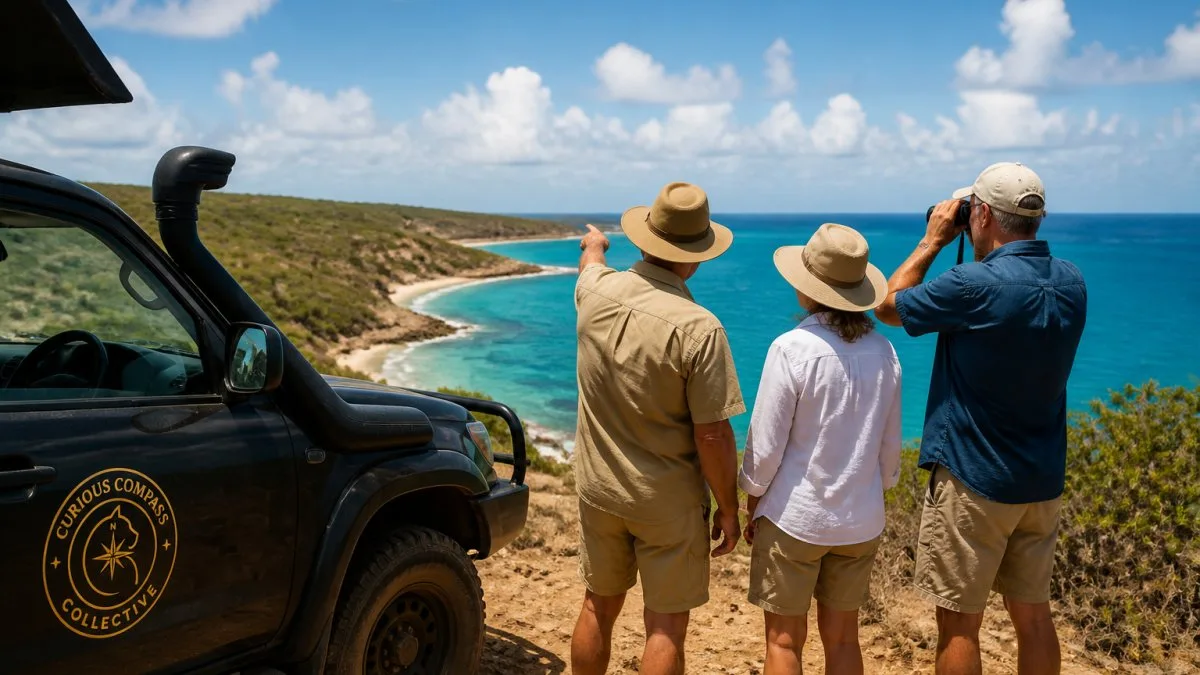
At Curious Compass Collective, we've designed our Cape York eco-adventure tours specifically for travellers aged 35 and above who want genuine connection with the landscape and local communities, not exhaustion. The distinction matters. We cap groups at sizes that allow meaningful stops, flexible pacing, and actual conversation with guides who are storytellers first, logistics coordinators second.
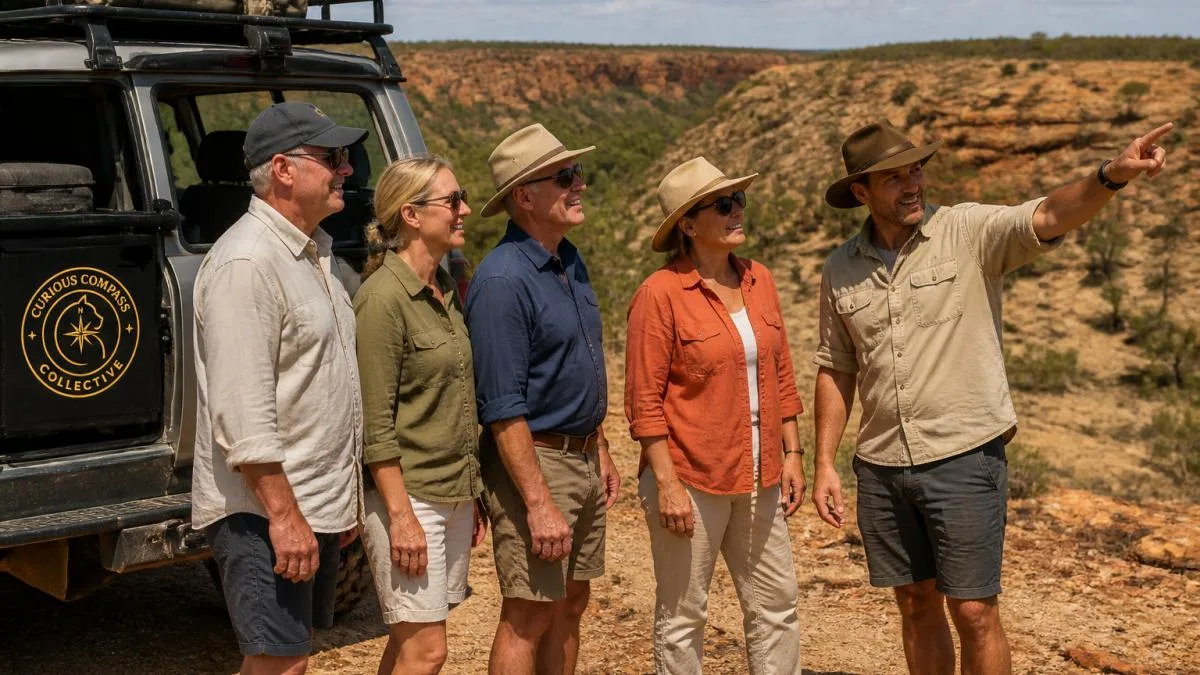
Purpose-designed 4WD vehicles make a tangible difference. Vehicles engineered specifically for outback wilderness reduce fatigue, improve visibility, and handle remote terrain without the physical toll. When you're spending 14 days exploring the peninsula, that matters.
The real differentiator is expertise grounded in the region itself. Our guides understand the seasonal patterns, know which waterholes hold crocodiles, recognise indigenous heritage sites that most tours miss entirely, and adjust itineraries based on weather and wildlife activity rather than sticking rigidly to a schedule. You're not following a script, you're exploring with someone who knows this country.
Best Time to Visit Cape York for Eco-Adventure
The best time to visit Cape York for eco-adventure is May through September, when the dry season transforms the peninsula into a navigable wilderness. Outside these months, the wet season makes many roads impassable and turns camping into a genuine endurance test.
May and June offer the ideal sweet spot: warm days, cool nights, minimal rain, and wildlife concentrated around remaining water sources. This is when the Pajinka Tour, Curious Compass Collective's annual Cape York eco-adventure tours expedition, departs. September is still viable but hotter and drier, water becomes scarcer, and the landscape shifts toward browns and golds.
October through April is wet season, when monsoonal rains can close roads for weeks. Some operators run "wet season adventures," but these require experienced 4WD drivers and come with genuine risk. They're not suitable for most travellers seeking a comfortable eco-adventure experience.
The dry season also aligns with when indigenous communities are more accessible for cultural experiences. Seasonal ceremonies and gatherings often occur during these months, making authentic cultural immersion possible in ways it isn't during the wet season.
Cape York 4WD Tour Duration and What to Expect
Most Cape York 4WD tour duration ranges from 9 to 21 days, depending on whether you're doing a partial peninsula exploration or a complete journey to the tip and back. The 14-day itinerary is the most common sweet spot, long enough to reach Pajinka (the tip of Australia) without rushing, short enough to fit into most people's leave schedules.
A typical 9-day Cape York 4WD tour covers the Cairns to Cape York route via Cooktown and the Daintree, hitting major highlights but skipping some of the deeper wilderness exploration. You'll see the tip, experience some 4WD adventure, and return via familiar roads.
The 14-21 day expeditions go deeper.
- 5-8 hours daily driving on unsealed roads (bumpy, not dangerous if you're in a proper vehicle)
- Camping or glamping accommodation in remote locations
- Daily activities: hiking to waterfalls, wildlife spotting, cultural site visits, fishing
- Meals prepared by the tour operator or cooked communally
- Evening campfire discussions with guides and fellow travellers
Indigenous-Led Cultural Tours in Cape York
The economics matter too. When you book a tour that includes indigenous-led experiences, ask where the money goes. This ensures cultural knowledge is valued appropriately and communities benefit from tourism rather than being exploited by it.
Accommodation Options: Camping vs. Glamping on Your Eco-Adventure
The accommodation choice on a Cape York eco-adventure tour shapes your entire experience. Camping in the outback is authentic and affordable. Glamping offers comfort without sacrificing the wilderness experience. The right choice depends on your fitness level, budget, and what "adventure" actually means to you.
| Accommodation Type | Best For | Physical Demands | Cost Impact |
|---|---|---|---|
| Camping (swag/tent) | Authentic outback seekers | Moderate to high | Lower |
| Glamping (safari tents) | Comfort-focused adventurers | Low to moderate | Higher |
| Mix (camping + town stays) | Flexible pacing | Low to moderate | Moderate |
What to Pack for a Cape York Eco-Adventure Tour
Packing for a Cape York eco-adventure tour requires balancing weight, weather protection, and functionality. Most operators provide camping equipment, but you'll bring everything else.
Essential clothing:
- Lightweight, loose-fitting shirts and trousers (sun protection and heat management)
- One warm layer (nights in the outback cool significantly, even in dry season)
- Sturdy walking boots broken in before the trip (blisters in remote areas are serious)
- Hat with neck protection and sunglasses
- Swimwear and a quick-dry towel (waterfalls and billabongs are part of the experience)
- Moisture-wicking socks (multiple pairs)
Safety and health:
- High-SPF sunscreen (reapply constantly; the outback sun is intense)
- Insect repellent (mosquitoes and sandflies are active even in dry season)
- Blister treatment and pain relief medication
- Personal medications in original containers
- Basic first aid supplies (guides carry comprehensive kits, but personal items help)
- Hat and long sleeves for crocodile spotting (visibility matters for safety)
Practical gear:
- Lightweight daypack (8-12 litres for daily excursions)
- Headtorch or small torch (useful for evening activities and emergencies)
- Reusable water bottle (hydration is critical in the outback)
- Camera or phone with good battery life (bring a portable charger)
- Toiletries in travel sizes (weight matters when you're packing for weeks)
- Earplugs and eye mask (shared accommodation and early starts)
What NOT to pack:
- Heavy luggage (you'll be transferring between vehicles frequently)
- Expensive jewellery or electronics (dust and heat are damaging)
- Formal clothing (it's outback adventure, not a city break)
- Excessive shoes (one pair of walking boots, one pair of casual shoes is enough)
Safety, Accessibility, and Fitness Requirements
Safety on a Cape York eco-adventure tour depends entirely on the operator's expertise, vehicle maintenance, and your own physical capability. The region is genuinely remote, evacuation can take hours or days, so preparation matters.
Safety standards to check:
- Does the operator have current insurance and emergency communication equipment?
- Are guides trained in remote area first aid?
- Does the operator have partnerships with local communities for emergency support?
- Are vehicles regularly serviced and maintained?
- Is there a maximum group size (larger groups are harder to manage in emergencies)?
Accessibility considerations:
- Most Cape York eco-adventure tours involve unsealed roads (bumpy but not dangerous)
- Walking distances range from 30 minutes to 4 hours depending on the activity
- Camping requires getting in and out of a swag or tent (not suitable for severe mobility limitations)
- Some operators offer glamping or partially accommodated options for travellers with accessibility needs
Frequently Asked Questions
What is the best time of year to visit Cape York for an eco-adventure?
The dry season from May to September offers the most comfortable conditions for Cape York eco-adventure tours. Roads are passable, weather is mild, and wildlife is more active around water sources. The wet season (November to March) brings tropical downpours that can make remote tracks impassable and increase crocodile activity near water. Most tour operators run their peak schedules during the dry season when conditions favour both safety and accessibility for mature travellers.
How long does a typical Cape York 4WD tour duration last?
Cape York 4WD tour durations range from day trips to extended expeditions. Day tours and tag-along experiences last 6-8 hours, while multi-day eco-adventure tours typically span 9-21 days depending on the operator and itinerary. Curious Compass Collective's Pajinka Tour runs 9 or 14 days, allowing time for meaningful exploration without the rushed pace of shorter trips. Longer durations give you access to remote areas like the Tip of Australia and enable deeper cultural immersion with local communities.
Are there Indigenous-led cultural tours available in Cape York?
Yes, several operators offer Indigenous-led cultural experiences and partnerships throughout Cape York. These tours provide authentic insight into the region's traditional owners, their heritage, and contemporary community life. Many eco-adventure tours incorporate cultural components, but dedicated Indigenous-led tours offer the most direct connection to local knowledge and storytelling. When booking, confirm that tour operators work directly with Indigenous communities and that a portion of proceeds supports local initiatives, ensuring genuine cultural exchange rather than tokenistic experiences.
What's the difference between camping and glamping on a Cape York eco-adventure tour?
Standard camping involves traditional tents and basic camp facilities, offering an immersive wilderness experience suited to active travellers comfortable with rustic conditions. Glamping combines adventure with enhanced comfort, providing furnished safari-style tents, quality bedding, and often hot showers. Curious Compass Collective and similar operators design their accommodated tours with comfort in mind, reducing physical strain while maintaining the authentic outback experience.
Do I need previous 4WD or camping experience for a Cape York eco-adventure tour?
No previous experience is necessary. Professional eco-adventure tour operators cater to all fitness and experience levels, particularly those targeting mature travellers. Expert guides handle vehicle navigation and camp setup, allowing you to focus on the experience and scenery. However, confirm fitness requirements with your operator before booking, as some multi-day expeditions involve walking on uneven terrain or extended time in vehicles. Thoughtfully paced itineraries prioritise comfort and safety, making them accessible to active seniors and those new to adventure travel.
Frequently asked questions
What is the best time of year to visit Cape York for an eco-adventure?
The dry season from May to September offers the most comfortable conditions for Cape York eco-adventure tours. Roads are passable, weather is mild, and wildlife is more active around water sources. The wet season (November to March) brings tropical downpours that can make remote tracks impassable and increase crocodile activity near water. Most tour operators run their peak schedules during the dry season when conditions favour both safety and accessibility for mature travellers.
How long does a typical Cape York 4WD tour duration last?
Cape York 4WD tour durations range from day trips to extended expeditions. Day tours and tag-along experiences last 6-8 hours, while multi-day eco-adventure tours typically span 9-21 days depending on the operator and itinerary. Curious Compass Collective's Pajinka Tour runs 9 or 14 days, allowing time for meaningful exploration without the rushed pace of shorter trips. Longer durations give you access to remote areas like the Tip of Australia and enable deeper cultural immersion with local communities.
Are there Indigenous-led cultural tours available in Cape York?
Yes, several operators offer Indigenous-led cultural experiences and partnerships throughout Cape York. These tours provide authentic insight into the region's traditional owners, their heritage, and contemporary community life. Many eco-adventure tours incorporate cultural components, but dedicated Indigenous-led tours offer the most direct connection to local knowledge and storytelling. When booking, confirm that tour operators work directly with Indigenous communities and that a portion of proceeds supports local initiatives, ensuring genuine cultural exchange rather than tokenistic experiences.
What's the difference between camping and glamping on a Cape York eco-adventure tour?
Standard camping involves traditional tents and basic camp facilities, offering an immersive wilderness experience suited to active travellers comfortable with rustic conditions. Glamping combines adventure with enhanced comfort, providing furnished safari-style tents, quality bedding, and often hot showers. Curious Compass Collective and similar operators design their accommodated tours with comfort in mind, reducing physical strain while maintaining the authentic outback experience.
Do I need previous 4WD or camping experience for a Cape York eco-adventure tour?
No previous experience is necessary. Professional eco-adventure tour operators cater to all fitness and experience levels, particularly those targeting mature travellers. Expert guides handle vehicle navigation and camp setup, allowing you to focus on the experience and scenery. However, confirm fitness requirements with your operator before booking, as some multi-day expeditions involve walking on uneven terrain or extended time in vehicles. Thoughtfully paced itineraries prioritise comfort and safety, making them accessible to active seniors and those new to adventure travel.