
Table of Contents
- What Makes a Cape York Trip a True Bucket List Adventure
- Best Time to Visit Cape York: Seasons, Weather, and Crowds
- Cape York Road Trip Duration: How Many Days Do You Really Need?
- Cape York Guided Tours for Seniors: Comfort, Safety, and Storytelling
- Essential 4WD Preparation and Gear for the Cape
- Permits, National Park Access, and Safety Protocols
- Budget vs Luxury: What a Cape York Trip Really Costs
- Sustainable and Responsible Travel on the Cape
- Frequently Asked Questions
Last Updated: September 24, 2026
What Makes a Cape York Trip a True Bucket List Adventure
A Cape York bucket list trip is a self-drive or guided 4WD expedition to the northernmost tip of the continent, combining remote wilderness, river crossings, and genuine isolation. This guide from Curious Compass Collective covers everything you need to plan one, from timing and permits to recovery gear and realistic budgets.
The Tip of Australia: Pajinka
Pajinka, the northernmost point of the peninsula, is the symbolic finish line for most travellers. Reaching it involves a short walk over rocky terrain, so sturdy footwear matters more than fitness level.
Old Telegraph Track and Beyond
The Old Telegraph Track is the peninsula's most famous 4WD route, known for deep creek crossings and tight rainforest sections. It is not a shortcut; it is the experience.
Best Time to Visit Cape York: Seasons, Weather, and Crowds
The best time to visit Cape York is the dry season, roughly May to October, when roads are open and creek levels drop. Outside that window, many tracks and parks close entirely.
Wet Season vs Dry Season: What to Expect
The wet season brings heavy rain, flooding, and road closures across the peninsula. The dry season delivers stable conditions, though dust and corrugations become the main challenge.
Month-by-Month Breakdown
Period | Conditions | Suitability |
|---|---|---|
May-June | Tracks reopening, some water still high | Early access, check closures |
July-August | Peak dry season, best conditions | Ideal, busiest period |
September-October | Dry, hot, tracks firm | Excellent, fewer crowds |
November-April | Wet season, widespread closures | Not recommended |
Check current road conditions with Queensland Government park alerts before committing to any route.
Cape York Road Trip Duration: How Many Days Do You Really Need?
A Cape York road trip duration of 10 to 14 days suits most travellers, while 21 days allows a slower pace with proper rest days. Rushing the peninsula is the most common planning mistake. The single biggest variable is whether you drive the Old Telegraph Track or take the bypass roads, the track adds days but is the reason many people come.
Top 10 Must-Do Activities in Cape York with Pat Callinan
Club 4X4 Insurance
10-Day Express Itinerary
This suits travellers with limited leave who accept long driving days. Expect 6 to 8 hours behind the wheel on some stretches, with minimal time at each stop.
A workable 10-day shape looks like this:
- Day 1: Cairns to Cooktown via the coastal route (approx. 330 km, sealed most of the way)
- Day 2: Cooktown to Lakefield and on to Musgrave (approx. 250 km, first serious dirt)
- Day 3: Musgrave to Coen (approx. 200 km, corrugations begin in earnest)
- Day 4: Coen to Archer River and on to Bramwell Junction (approx. 200 km)
- Day 5: Bramwell Junction to the tip via the bypass, camp at Pajinka or nearby
- Day 6: Pajinka and surrounds, then begin the return south
- Days 7-10: Return leg, with a single rest day at Coen or Musgrave
14-Day Classic Itinerary
The classic timeframe balances driving with genuine exploration. It allows rest days at key stops and time to enjoy the track without exhaustion.
A 14-day version typically adds:
- A full rest day at Cooktown to resupply and check the vehicle
- Two days on the Old Telegraph Track (or one day on the track plus one on the bypass)
- A rest day at Bramwell Junction or Coen on the return
- Time at Fruit Bat Falls, Eliot Falls, and the Jardine River crossing without rushing
21-Day Immersive Itinerary
Three weeks lets you slow down, add side trips, and recover between long drives. This pace suits anyone who wants the journey itself to be the point.
With 21 days you can add:
- A side trip to Weipa for supplies and a look at the western coast
- Time at the Tip for more than a photo, the walk and the surrounding beaches reward a full day
- A slower return via different stops, including Laura and the Quinkan rock art area
- Genuine rest days every third or fourth day, which matters more than most first-timers expect
How to Choose Your Duration
Work backwards from your constraints:
- If you have 10 days, accept that you are driving most days and pick either the OTT or the bypass, not both.
- If you have 14 days, you can do the OTT and still rest.
- If you have 21 days, you can add Weipa and still not feel rushed.
Check current road conditions with Queensland Government park alerts before committing to any route.
Cape York Guided Tours for Seniors: Comfort, Safety, and Storytelling
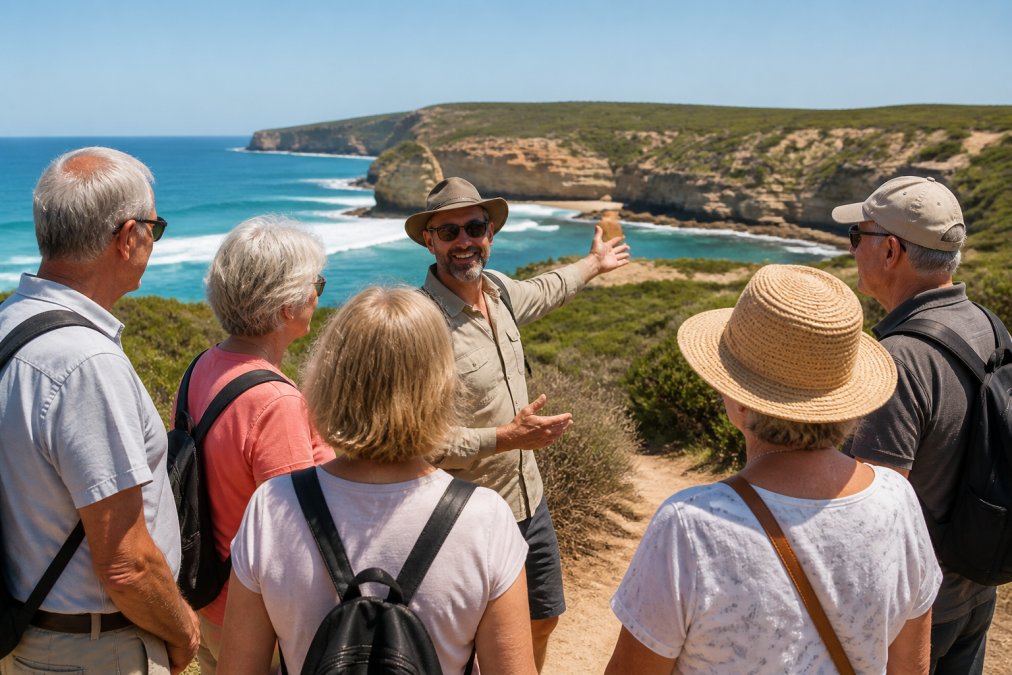
Cape York guided tours for seniors remove the planning burden entirely, pairing experienced drivers with comfortable vehicles and paced itineraries. For many mature travellers, this is the difference between a dream and a completed trip.
What to Look for in a Mature-Age Tour
Look for small group sizes, purpose-designed vehicles, and guides who double as storytellers. Ask about rest days, vehicle setup, and how the operator handles remote emergencies.
How Curious Compass Collective Delivers
Curious Compass Collective runs the annual Pajinka Tour, a Cairns to Cape York return journey via Cooktown, the Daintree and Cape Tribulation. Groups are intentionally small, itineraries are thoughtfully paced, and guides act as both safety professionals and storytellers. Guests on the frontier tour regularly call it the bucket list trip of a lifetime.
Essential 4WD Preparation and Gear for the Cape
Vehicle preparation separates a smooth trip from a stressful one. Tyre pressure, recovery gear, and mechanical checks matter more here than almost anywhere else.
Vehicle Checklist: Recovery Gear, Tyre Pressure, Snorkels
- Snorkel fitted for water crossings
- Recovery gear: winch, snatch straps, Maxtrax, shovel
- Tyre pressure gauge and compressor
- Two spare tyres where possible
- Full mechanical service before departure
Camping and Personal Supplies
Carry more water than you think you need, plus food that does not rely on refrigeration. First aid supplies and a satellite phone or emergency beacon are non-negotiable.
Permits, National Park Access, and Safety Protocols
Permits and park access requirements vary by location, so check each one before you travel. Some areas require bookings well ahead of the dry season.
Permits and Traditional Land Access
Some sections cross traditional land and require permission or a permit. Respect closures and follow local guidance at all times.
Emergency Preparedness: Satellite Phones, Beacons, First Aid
Carry a satellite phone or personal locator beacon, a stocked first aid kit, and a written trip plan left with someone at home. Register your plans with Queensland Police remote travel advice where relevant.
Budget vs Luxury: What a Cape York Trip Really Costs
Costs vary widely depending on whether you self-drive or join a guided tour. Self-drive saves on tour fees but adds fuel, vehicle wear, and gear costs. Most guides stop there, this section breaks down the actual mechanics so you can decide which model fits your budget and your tolerance for risk.
Self-Drive vs Guided Tour Costs
Self-drive travellers cover fuel, food, camping fees, and vehicle preparation. Guided tours bundle transport, meals, accommodation, and expertise into one price.
The self-drive cost stack typically includes:
- Fuel: a 4WD towing or heavily loaded will use roughly 15-20 L/100 km on dirt. At a round trip of 2,200-2,400 km, that is a meaningful fuel bill before you factor in the higher prices at remote stops like Coen and Bamaga, where fuel can be 30-50% above metro prices.
- Vehicle preparation: a full service, new tyres or at least a matched set, a snorkel if not already fitted, and recovery gear. This is the line item most first-timers underestimate.
- Camping fees: national park and council campsites vary, but expect a nightly fee per person at most managed sites. Free camping is limited and often restricted.
- Food and water: you will carry most of it, and remote resupply is expensive and limited.
- Ferry or barge crossings: the Jardine River crossing is a known cost, and there are others depending on your route.
The Real Cost Difference: Risk and Time
The single biggest cost difference between self-drive and guided travel is not the vehicle. It is the time, planning, and risk management that a guided tour absorbs on your behalf.
Self-drive means you carry:
- The planning burden (permits, closures, fuel stops, water points)
- The mechanical risk (a breakdown 400 km from the nearest town)
- The recovery risk (a bogged vehicle with no one else on the track)
- The communication risk (no mobile coverage across most of the peninsula)
Where to Save and Where to Splurge
Save on camping gear by borrowing or hiring. Splurge on tyres, recovery gear, and communication devices, because those are what get you home.
A practical split:
- Save: borrow or hire camping equipment, buy second-hand recovery gear in good condition, and cook your own meals rather than eating at remote roadhouses.
- Splurge: tyres (a matched set of quality all-terrains or mud-terrains), a satellite phone or personal locator beacon, a proper compressor, and a full pre-trip service by a mechanic who knows 4WDs.
- Consider: a tag-along tour if you want the self-drive experience with a safety net. This sits between full self-drive and a fully guided tour and is often the best value for first-timers.
Sustainable and Responsible Travel on the Cape
Responsible travel protects the places that make this journey worth doing. Camp only in designated areas, take all rubbish out with you, and keep to established tracks.
Frequently Asked Questions
How many days do you need for a Cape York bucket list trip?
Most travellers find 10 to 14 days allows a comfortable pace to reach the Tip and return, with time for key stops like the Old Telegraph Track and national parks. A 21-day itinerary adds deeper exploration and rest days. If you prefer a guided tour, operators like Curious Compass Collective offer 9- and 14-day options that handle logistics, so you can focus on the experience.
What is the best time of year to visit Cape York?
The dry season from May to October is ideal. Roads are accessible, temperatures are milder, and river crossings are safer. July and August are peak months, so book early. The wet season (November to April) brings heavy rain, road closures, and crocodile activity, making travel risky. For a Cape York trip, aim for the shoulder months of May or September to avoid crowds.
Is a 4WD necessary for a trip to the Tip?
Yes, a high-clearance 4WD is essential for the Peninsula Developmental Road and especially the Old Telegraph Track. Unsealed roads, corrugations, and water crossings require low-range gearing and recovery gear. If you don't own a 4WD, guided tours provide purpose-built vehicles and experienced drivers. Trying to attempt it in a standard car risks mechanical failure and safety.
What should mature travellers know before planning a Cape York expedition?
Prioritise comfort and safety by choosing a guided tour with small groups and paced itineraries. Ensure your vehicle has easy access and support for any mobility needs. Carry a satellite phone, first aid kit, and enough water. Check that your tour operator has certified guides and insurance. Curious Compass Collective designs tours for ages 35 to 65+ with expert storytelling and minimal physical strain.
Planning a Cape York bucket list trip is as much about logistics as it is about adventure. That is exactly where Curious Compass Collective comes in, with small-group guided tours, purpose-designed 4WD vehicles, and thoughtfully paced itineraries built for mature travellers. If you want the tip of Australia without the planning stress, view our tours and let our guides handle the details.
Frequently asked questions
How many days do you need for a Cape York bucket list trip?
Most travellers find 10 to 14 days allows a comfortable pace to reach the Tip and return, with time for key stops like the Old Telegraph Track and national parks. A 21-day itinerary adds deeper exploration and rest days. If you prefer a guided tour, operators like Curious Compass Collective offer 9- and 14-day options that handle logistics, so you can focus on the experience.
What is the best time of year to visit Cape York?
The dry season from May to October is ideal. Roads are accessible, temperatures are milder, and river crossings are safer. July and August are peak months, so book early. The wet season (November to April) brings heavy rain, road closures, and crocodile activity, making travel risky. For a Cape York trip, aim for the shoulder months of May or September to avoid crowds.
Is a 4WD necessary for a trip to the Tip?
Yes, a high-clearance 4WD is essential for the Peninsula Developmental Road and especially the Old Telegraph Track. Unsealed roads, corrugations, and water crossings require low-range gearing and recovery gear. If you don't own a 4WD, guided tours provide purpose-built vehicles and experienced drivers. Trying to attempt it in a standard car risks mechanical failure and safety.
What should mature travellers know before planning a Cape York expedition?
Prioritise comfort and safety by choosing a guided tour with small groups and paced itineraries. Ensure your vehicle has easy access and support for any mobility needs. Carry a satellite phone, first aid kit, and enough water. Check that your tour operator has certified guides and insurance. Curious Compass Collective designs tours for ages 35 to 65+ with expert storytelling and minimal physical strain.